I’ve had constituents ask whether the results from the Mankato Area Public Schools recent survey were ever shared. They were, this was presented and discussed during the February work session. In my view, some of the most important work of the school board happens in these work sessions. They follow open meeting laws and are always open to the public.
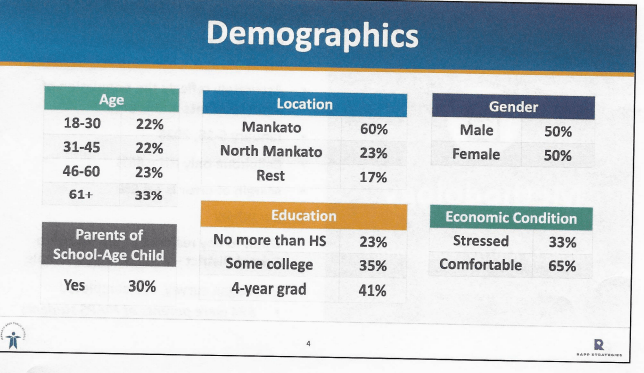
The sample reflects our community fairly well. One notable point is that about 33% of respondents identified as economically stressed, slightly lower than what we often see across Minnesota.
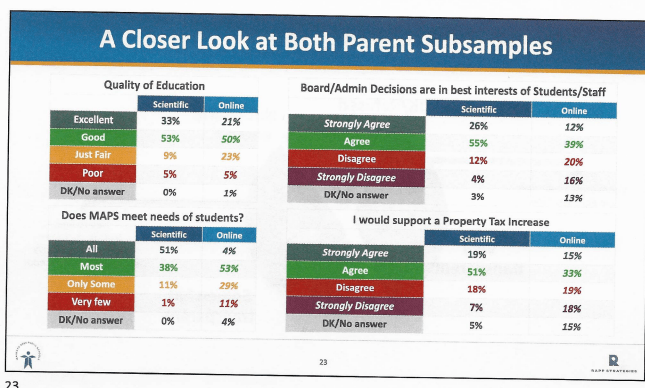
From the discussion, it was clear that for a referendum to pass, we would need stronger support in the “strongly agree” category. Those who selected “agree” or “disagree” tend to be more persuadable, while the “strongly” responses are more fixed.
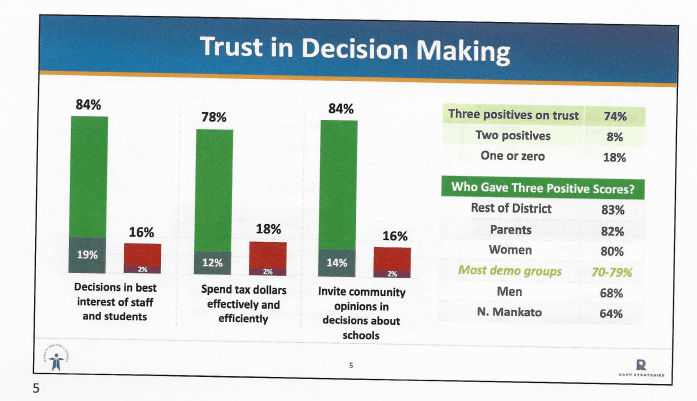
In the charts, the darker green represents “strongly agree,” and the darker red represents “strongly disagree.” Trust is not evenly distributed, men and North Mankato residents show a lower level of trust in district decision-making
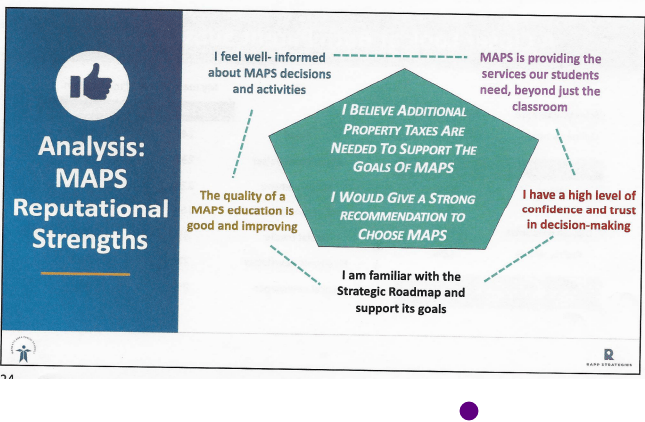
Here are the attributes needed to pass a referendum.
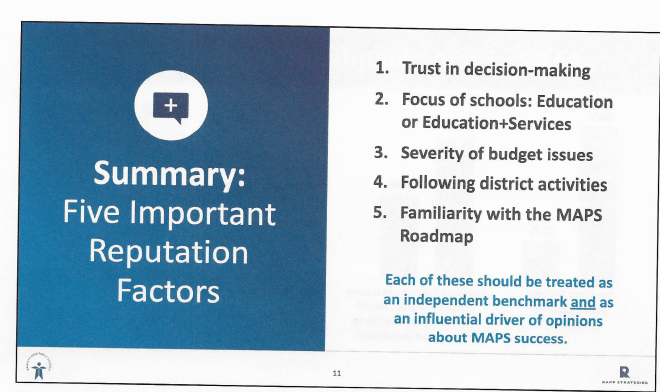
Trust in decision-making is one of the top drivers of support.
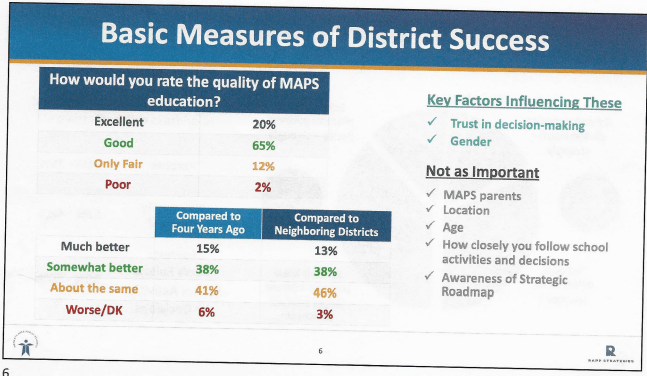
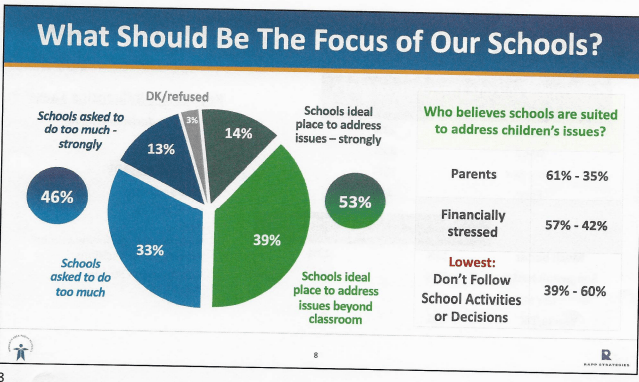
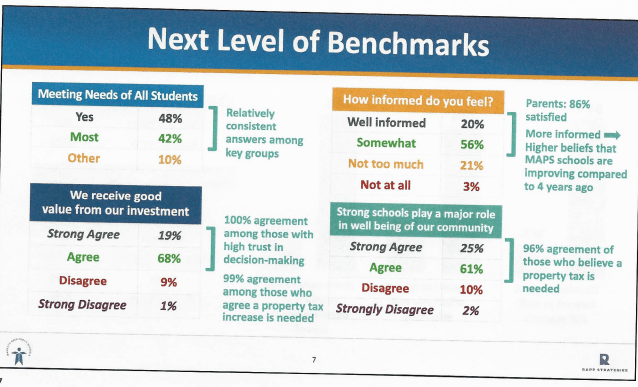
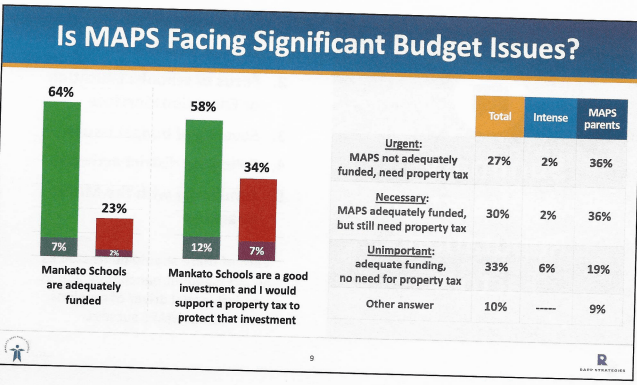
One of the most important takeaways is that many in the community are unaware that the district is currently deficit spending, driven in part by declining enrollment. From the discussion, this lack of awareness appears to be a major reason a referendum would struggle; people are less likely to support funding when they don’t understand the financial challenges.
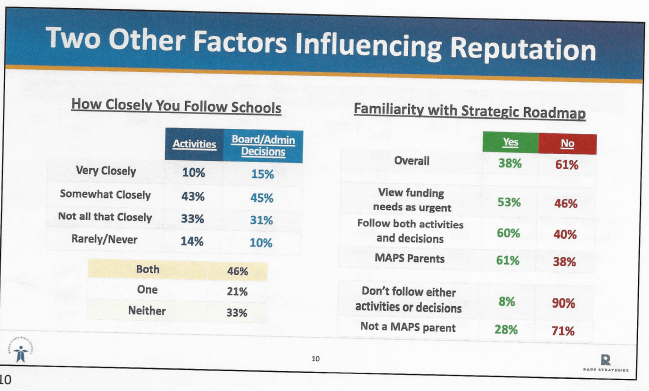
Communities that feel informed about district finances, goals, and activities are significantly more likely to support referendums. However, very few people are familiar with our Strategic Roadmap, even though it is publicly available on the district website. *************
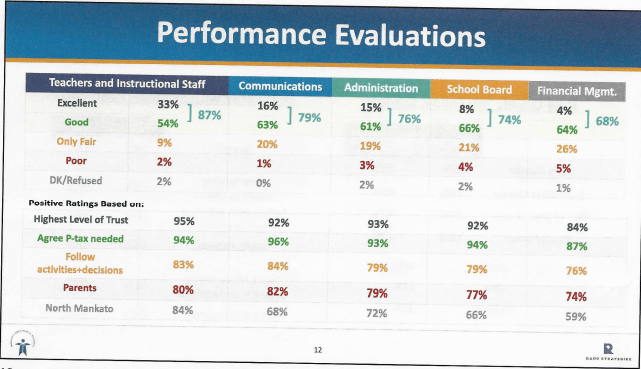
The community trusted Teachers and Instructional staff the most and the school board and financial management the least.
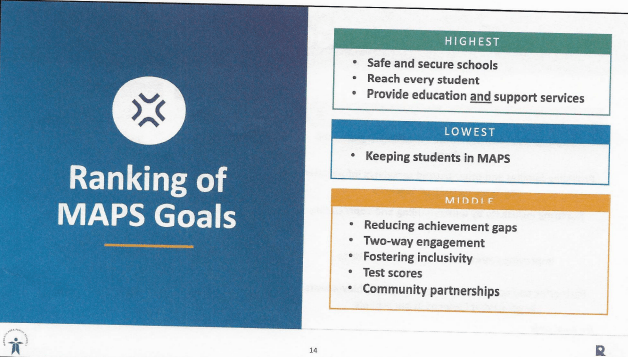
If a referendum were pursued, from what I remember, the data suggests it would be more successful in an off-cycle election. Messaging also matters; phrases like “safe and secure schools,” “reach every student,” and “provide education and support services” tested strongest. Interestingly, “keeping students in MAPS” ranked lowest as a priority, despite the significant financial impact of enrollment loss.
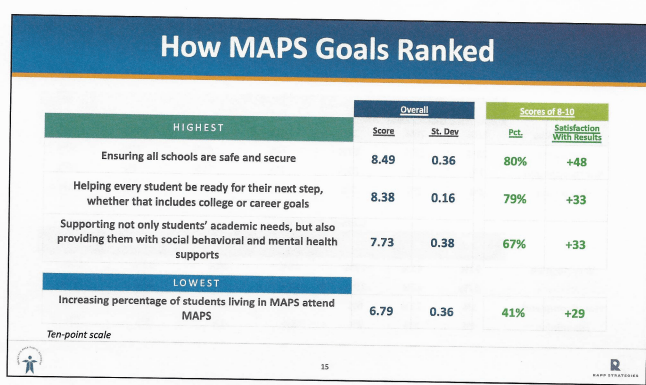
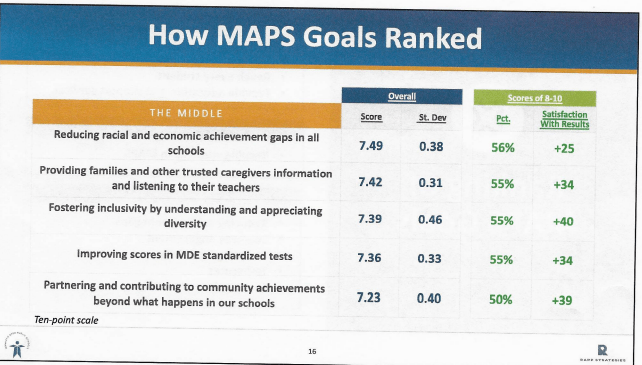
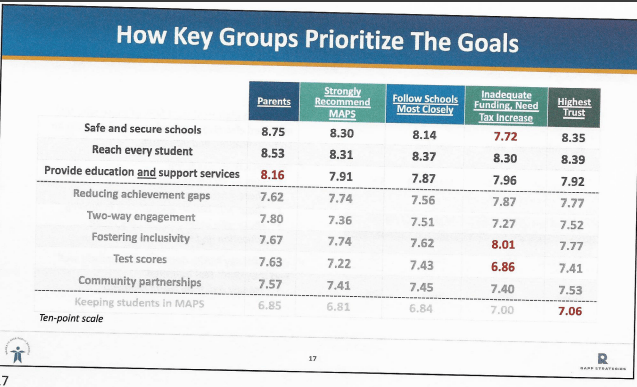
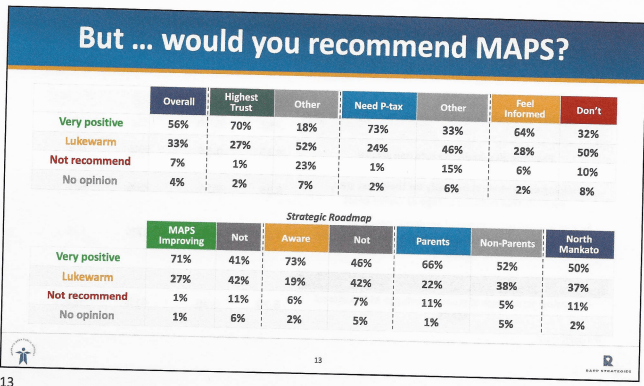
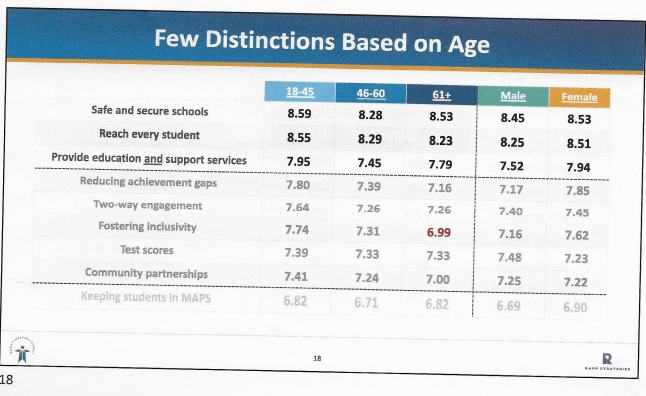
The above slide is just more data supporting the previous conclusions.
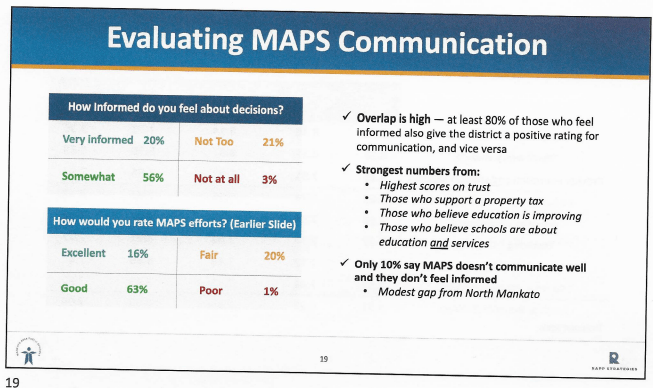
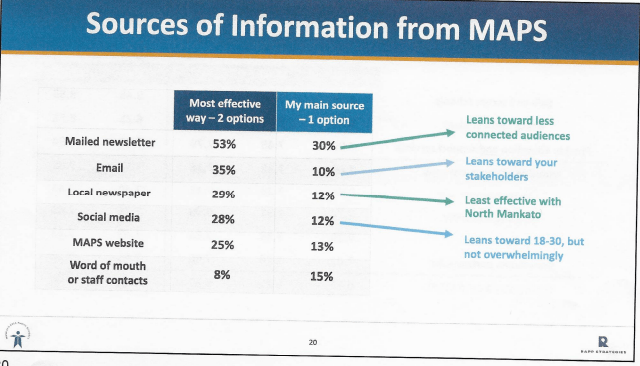
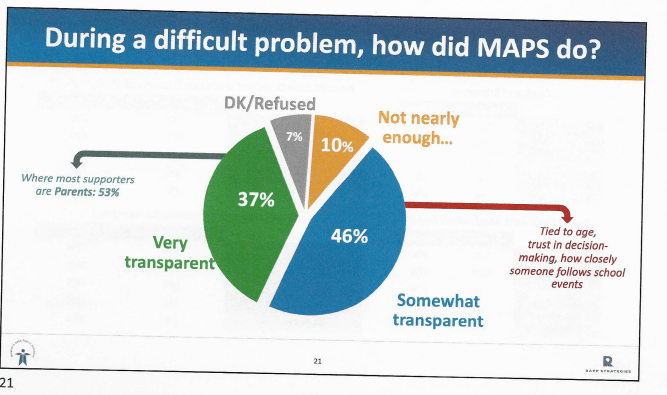
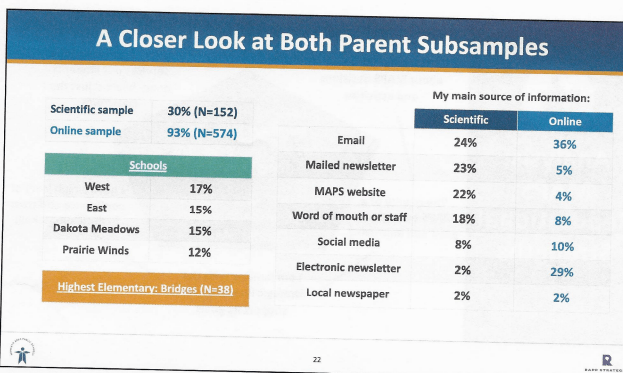
Finally, the survey shows how people are getting their information; primarily through email and digital communication, with social media and word of mouth also playing a role
 Elizabeth Hanke for Mankato School Board
Leave a comment